Staff Service — Time-saving · Accurate · Efficient
Time-limited Offer, Timely Technical Support
Get Price Staff Service
Kaolin is a crucial non-metallic mineral widely used in ceramics, papermaking, coatings, rubber, plastics, refractories, cosmetics, pharmaceuticals, and other fields. The grinding process involves transforming raw ore (typically in lump or earthy form) into powder of varying fineness through physical methods to meet downstream application requirements.
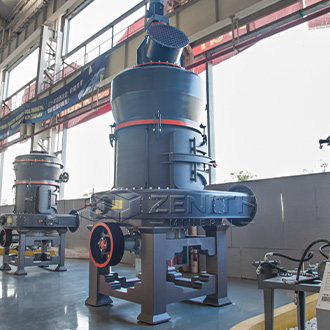
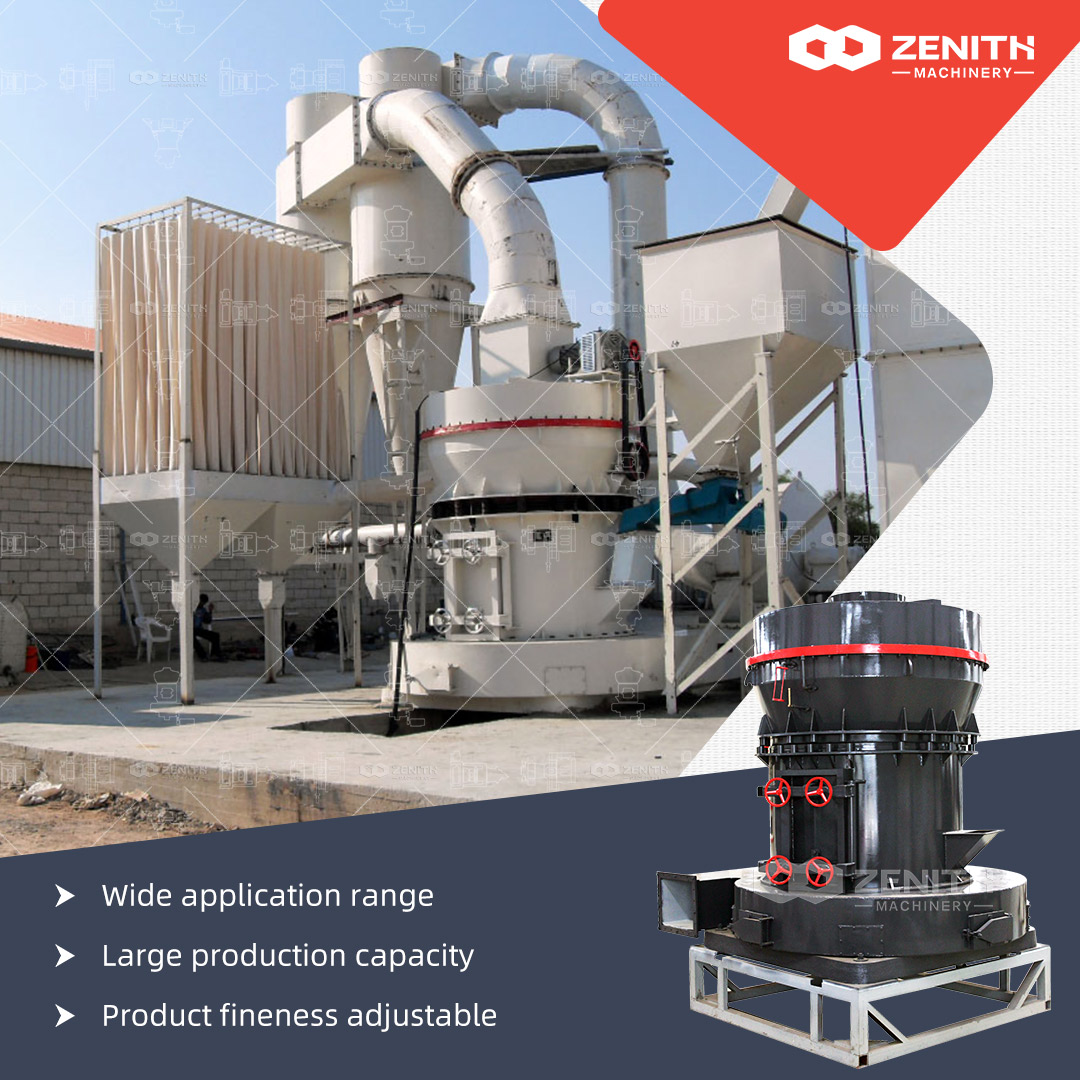
Classified by grinding principle, the primary types of kaolin grinding equipment include:1. Raymond Mill
Also known as: Suspended Roller Mill, Raymond Grinder
Applicable Fineness: 0-30 mm
Production Range: 1.2-11 tons/hour (depending on model)
Features:
Relatively simple structure, mature technology, and widespread application.
Suitable for grinding conventional kaolin to medium-low fineness (80-400 mesh), such as ceramic clay and general fillers.
Strict moisture requirements for raw materials (generally <6%), unsuitable for highly moist materials.
Compact footprint with relatively easy operation and maintenance.
Limitations: Limited output per unit; efficiency drops for ultra-fine grinding (e.g., above 1000 mesh), prone to over-grinding and material blockage.
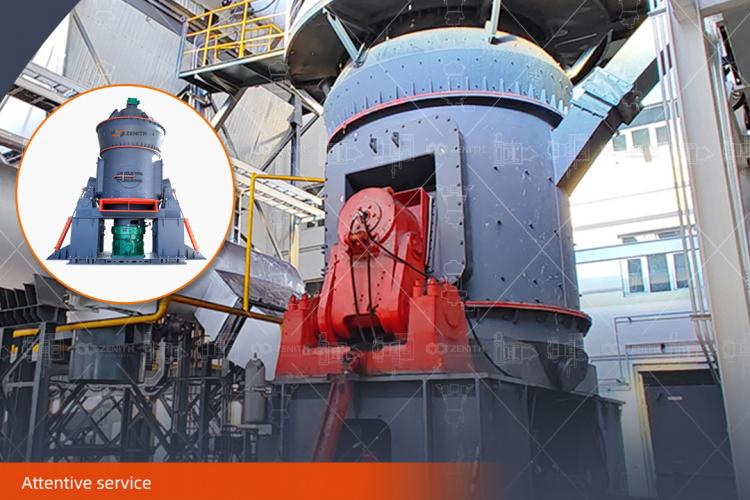
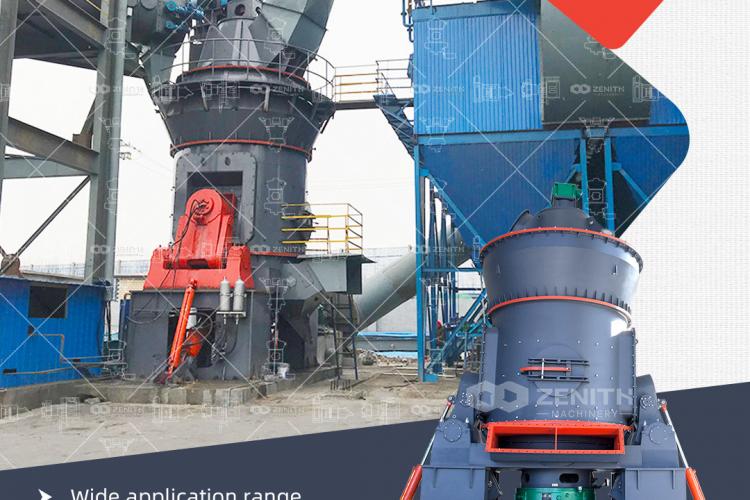
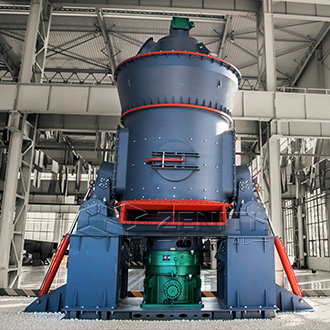
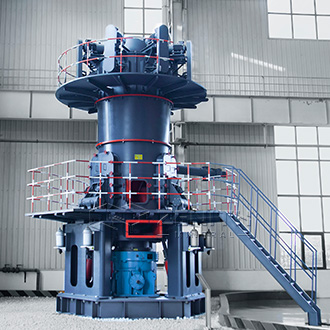
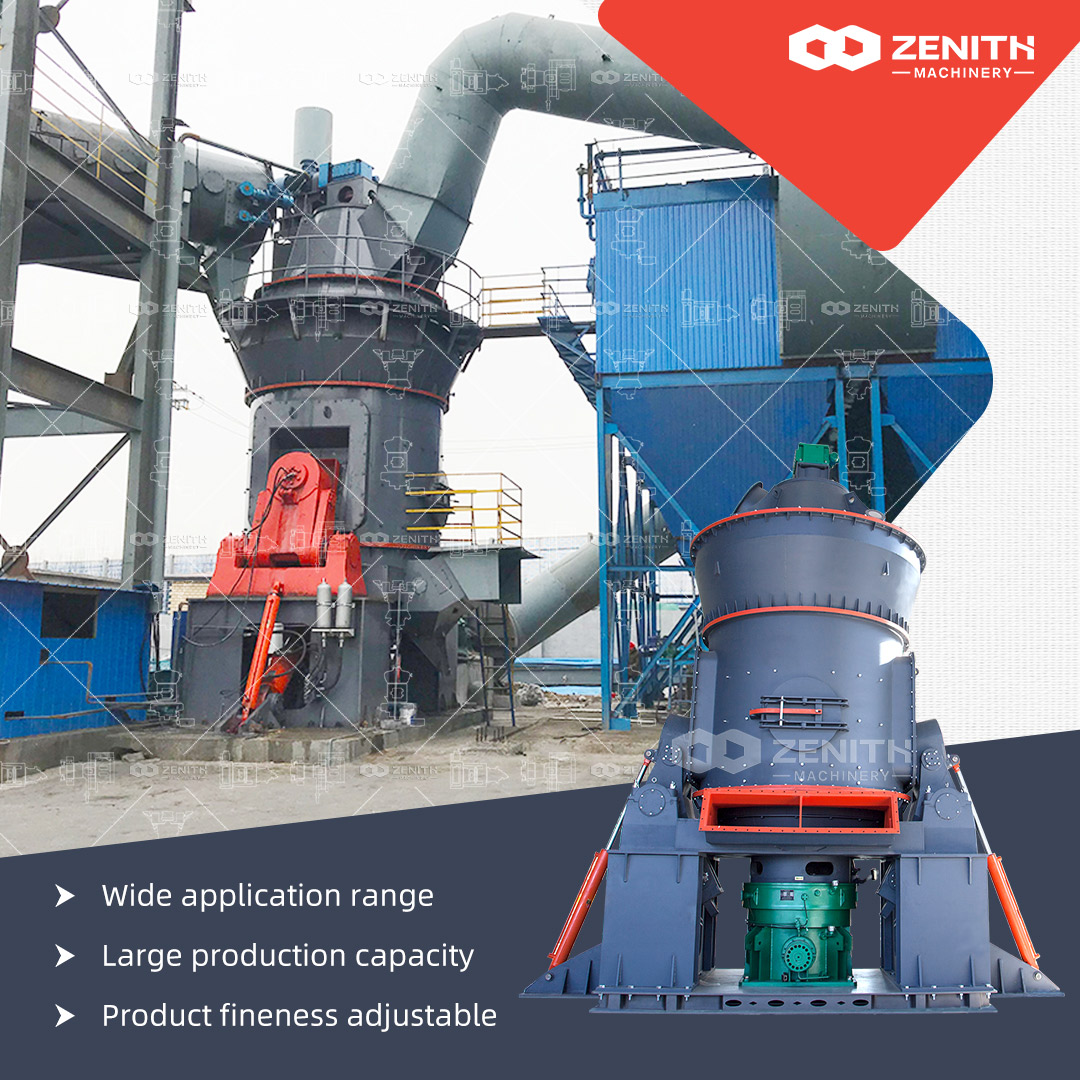
2. Vertical Roller Mill (VRM)
Suitable fineness: 0.84–0.037 mm, highly suitable for ultrafine kaolin processing
Output range: 10–400 tons/hour
Features:
High output, high fineness, low energy consumption—currently the mainstream equipment for industrial kaolin fine powder processing.
Capable of simultaneous grinding and drying (particularly suitable for raw materials with 8%–15% moisture content).
High system integration, compact footprint, low noise, and excellent environmental performance.
High automation level, suitable for large-scale industrial production.
Representative Applications: Paper coating-grade kaolin, ceramic raw materials, high-end coatings, plastic and rubber fillers, etc.
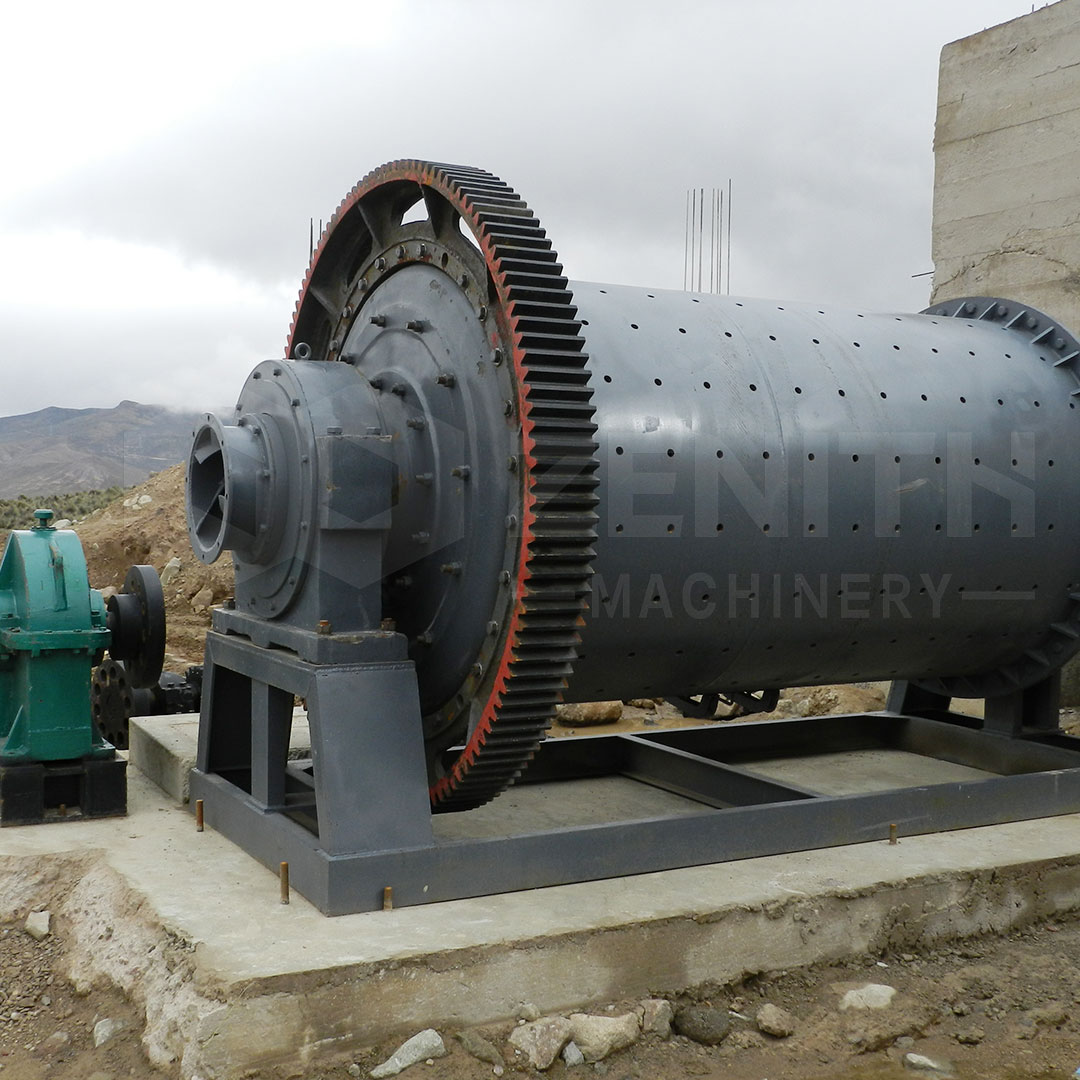
3. Ball Mill
Applicable Fineness: 0-25mm, achievable finer with classifier pairing
Production Range: 0.65-450 tons/hour (depending on specifications)
Features:
A highly traditional grinding equipment with strong adaptability and low material hardness requirements.
Particle size can be controlled by pairing with spiral classifiers or high-frequency screens.
However, it features high energy consumption, significant noise, excessive dust generation, and low fine powder collection efficiency, making it unsuitable for ultrafine processing of high-value-added kaolin.
When used for kaolin, it is typically employed for coarse grinding or regrinding processes, or combined with other equipment (e.g., vertical mills).
Suitable Scenarios: Small-scale plants, raw material pre-grinding, or situations where equipment investment sensitivity is critical.
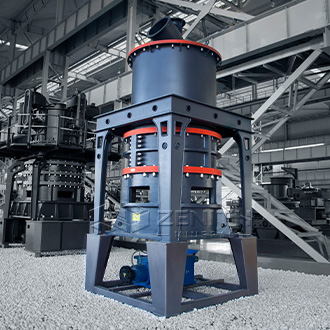
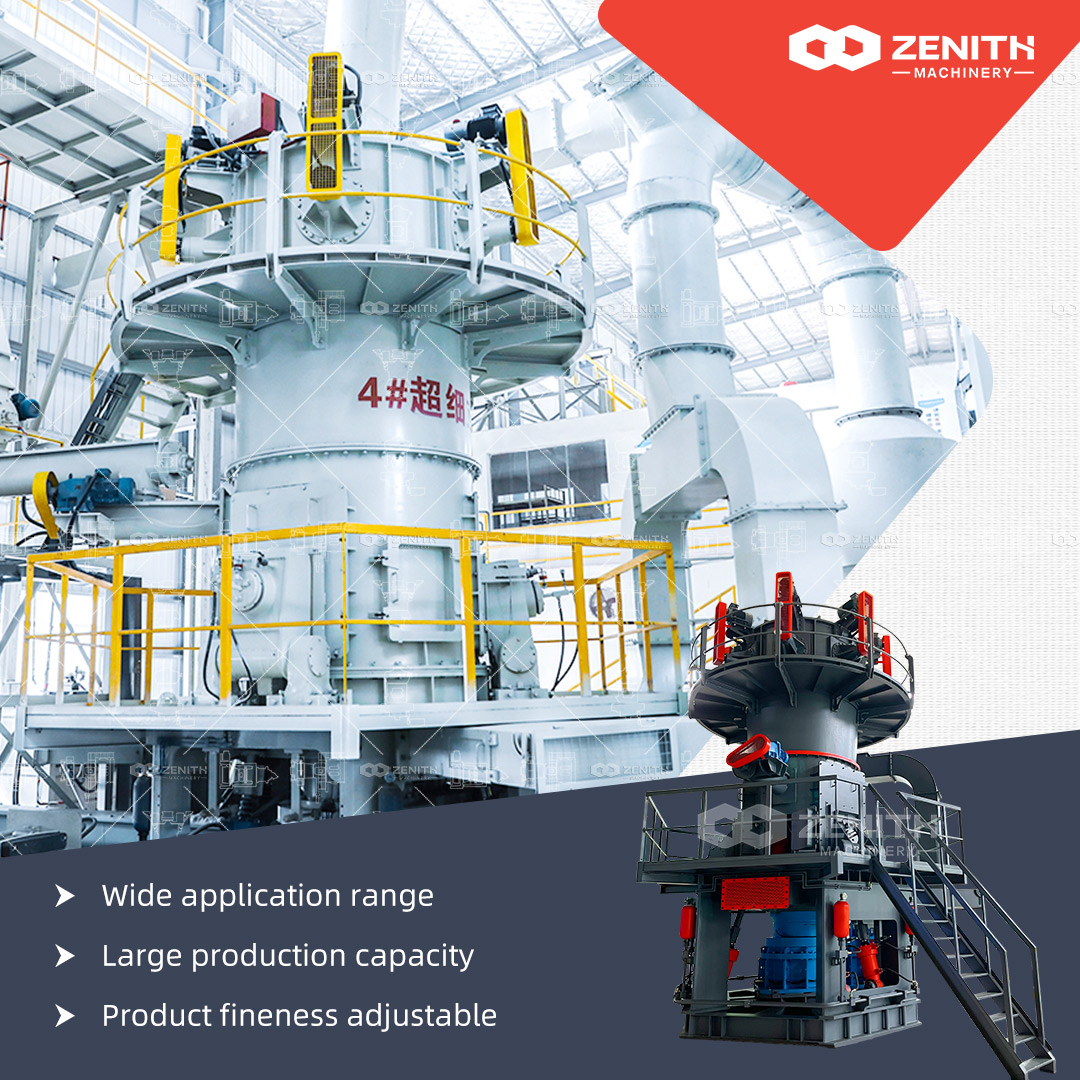
4. Ultra-Fine Grinding Mill
Applicable Fineness: 0-10mm
Production Range: 1.6-15 tons/hour
Features:
Specifically designed for ultra-fine powder processing, this is an upgraded version of the Raymond mill. It enhances fineness by increasing the number of grinding rollers, pressure, and classification precision.
Suitable for producing kaolin ultrafine powder ranging from 650 mesh to 3250 mesh, used in coatings, plastics, high-grade ceramics, etc.
More energy-efficient and productive than Raymond mills, with lower investment than vertical mills, though typically offering slightly lower throughput.
Common names: Triple-ring micro-powder mill, ultrafine mill, high-pressure micro-powder mill
leave your message here, we'll send you
an Email immediately.