Staff Service — Time-saving · Accurate · Efficient
Time-limited Offer, Timely Technical Support
Get Price Staff Service
To enhance the production capacity of calcite grinding mills, systematic optimization must be conducted across three dimensions: equipment, process, and raw materials. The core objectives are to ensure grinding efficiency, optimize classification effectiveness, and guarantee stable feeding.
I. Equipment Optimization and Maintenance
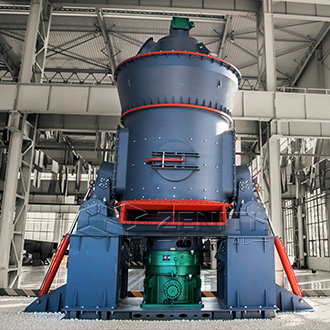
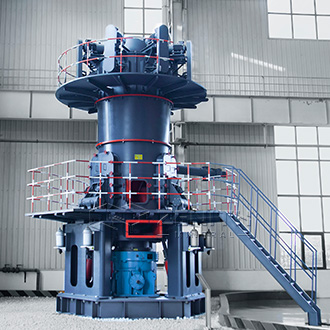
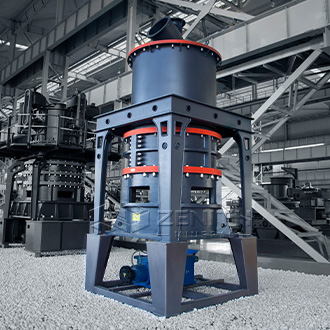
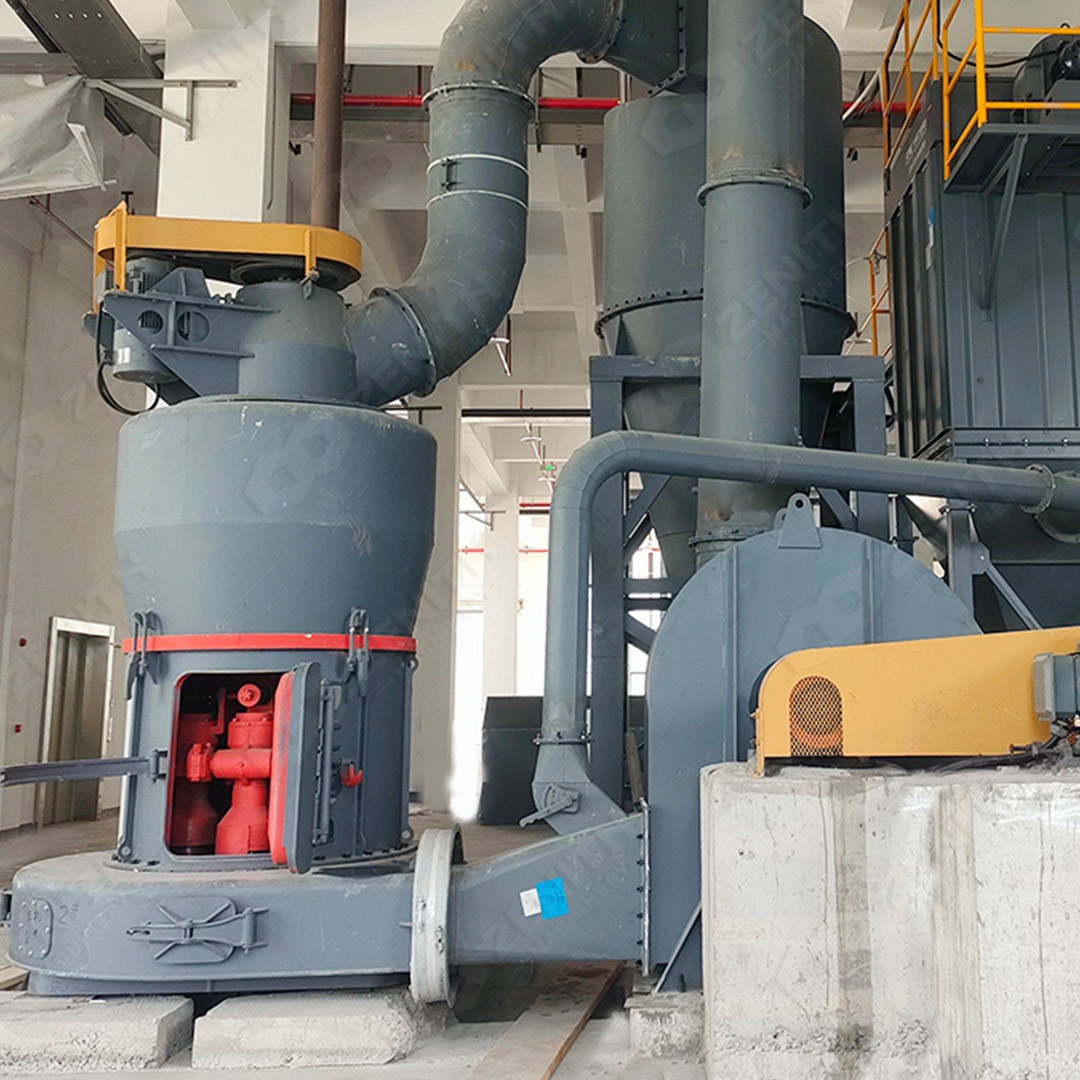
This forms the foundation for capacity improvement. Regular inspection and repair of the wear liners on grinding rollers and discs are crucial for maintaining optimal grinding pressure and shape, thereby sustaining grinding efficiency. Ensure classifier blades are intact and operating at precise, stable speeds to efficiently separate qualified fine powder. This prevents qualified particles from returning to the mill, avoiding over-grinding and excessive circulation load. Simultaneously, maintaining unobstructed airflow throughout the entire system (pipes, dust collectors) reduces system resistance. Sustaining appropriate air volume and pressure is essential for enhancing conveying and classification capabilities.
II. Fine-Tuning Process Parameters
Optimal operating parameters are central to maximizing production capacity. Based on the target fineness, find the optimal balance among classifier rotational speed, mill loading force (grinding pressure), and system air volume. While ensuring final product fineness, appropriately increasing grinding force and airflow can effectively boost throughput. Simultaneously, optimizing hot air temperature and volume entering the mill, while maintaining material moisture within the ideal range (typically <1%), significantly prevents powder adhesion and enhances grinding and conveying efficiency.
III. Raw Material Pretreatment and Stable Control
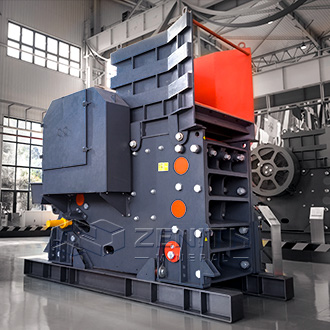
Stable and suitable feedstock is essential for efficient grinding. Strictly controlling feed particle size (recommended ≤30mm) and moisture content is crucial, as oversized or excessively wet material severely reduces grinding efficiency. Implementing pre-treatment (e.g., primary crushing, pre-drying) and utilizing a stable, reliable feeding system ensures continuous, uniform, and metered material supply. This prevents the mill from experiencing “empty grinding” or “overloading” due to feed fluctuations, which is essential for maintaining stable high-capacity operation.
leave your message here, we'll send you
an Email immediately.