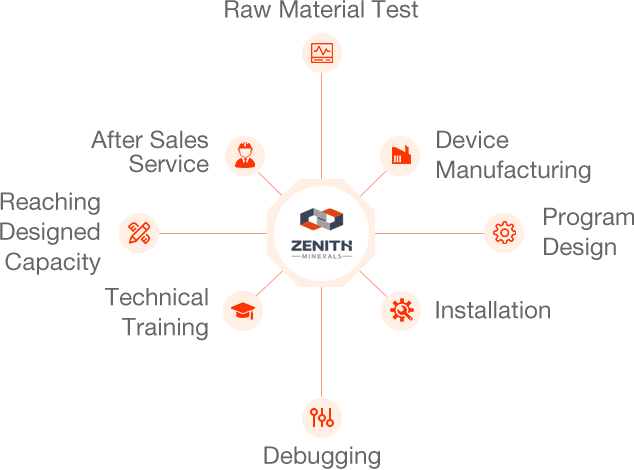
Staff Service — Time-saving · Accurate · Efficient
Time-limited Offer, Timely Technical Support
Get Price Staff Service
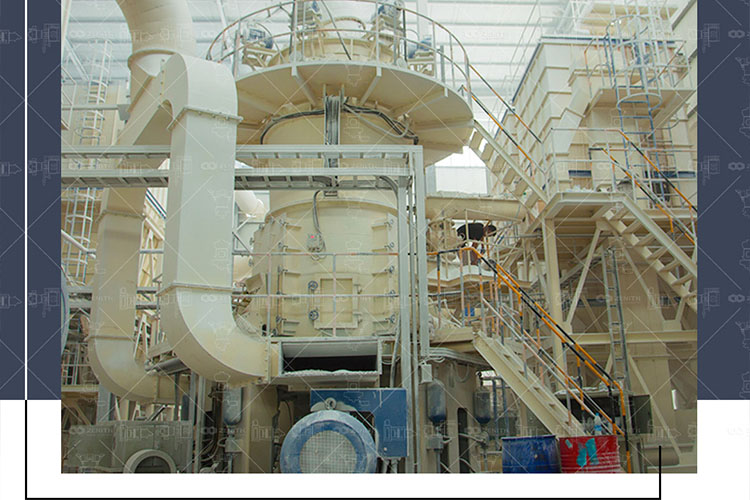
In the calcination process of lime kilns (especially rotary kilns), pulverized coal is used as fuel, and its fineness, particle size distribution, and stability directly affect combustion efficiency and kiln performance. Pulverized coal preparation typically requires a finished product fineness ranging from 80 mesh (with approximately 10%–20% retained on the 90-micron sieve) to 200 mesh, along with a continuous, stable, and high-volume supply. Considering overall performance, reliability, and cost-effectiveness, vertical mills are the preferred and mainstream equipment for pulverized coal preparation in lime kilns.
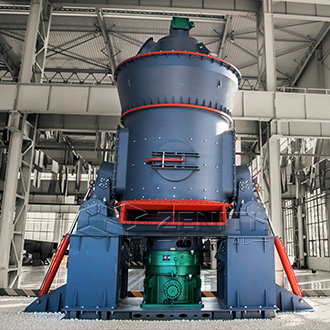
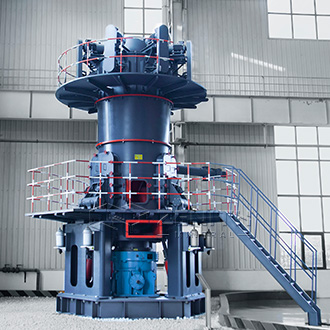
Recommended Equipment: Vertical Coal Mill
Why It Is the Best Choice:
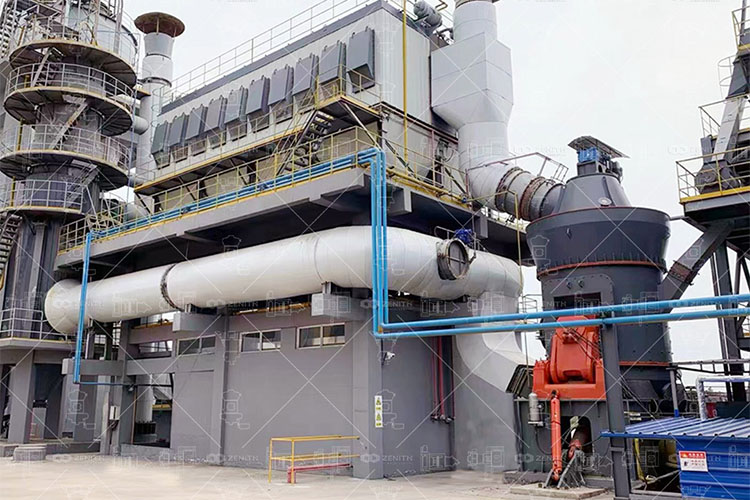
1. Highly Compatible Process Flow: Medium-speed coal mills integrate crushing, grinding, drying, classification, and conveying into a single unit. Raw coal is fed into the grinding disc via a feeder, where it is crushed between the grinding rollers and the disc. Simultaneously, hot air (approximately 200–300°C) from the kiln system is introduced, enabling highly efficient drying directly during the grinding process and reducing the moisture content of the coal powder to an appropriate level (typically <2%). This perfectly meets the integrated requirement of “grinding + drying” in coal powder preparation.
2. High energy efficiency and low operating costs: Utilizing the fluidized bed grinding principle, the unit crushes material using large grinding rollers, resulting in significantly lower energy consumption compared to traditional ball mills. Its built-in dynamic classifier instantly separates qualified fine powder, preventing over-grinding and further reducing energy consumption.
3. High and Stable Output: With a large single-unit production capacity, it can easily meet the continuous powder supply requirements of large and medium-sized lime kilns. Its stable operation and uniform particle size of the output powder help form a stable flame inside the kiln, ensuring calcination quality.
4. System Integration and Compact Footprint: The equipment is compact with a high degree of system integration, requiring far less floor space than the outdated “ball mill + dryer” system, making it easier to integrate into plant layouts.
5. Wear Resistance and Reliability: The grinding rollers and grinding discs are made of highly wear-resistant alloy materials, ensuring a long service life and extended maintenance intervals, thereby guaranteeing production continuity.
Comparison with Other Solutions:
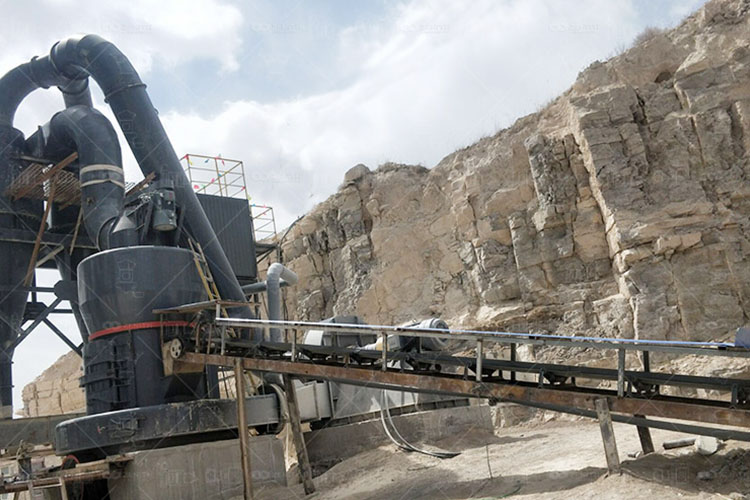
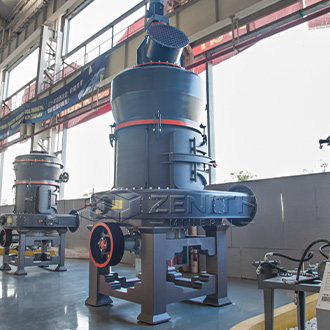
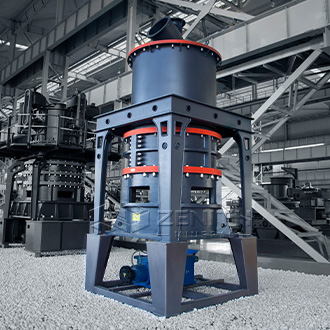
Raymond Mill: Although the initial investment is lower, the system is complex (requiring a separate drying system). Since drying and grinding are separate processes, efficiency is lower, and high sealing requirements (explosion-proof) are necessary. It has gradually been replaced in large-scale, continuous production.
Ball Mill: Extremely high energy consumption, high noise levels, and a complex system; it is rarely used in new projects today.
For coal powder preparation in lime kilns, selecting a vertical mill is the optimal solution that balances technological advancement, operational economy, and production reliability. When selecting a specific model, detailed calculations must be performed with the equipment supplier based on parameters such as the lime kiln’s coal powder consumption, raw coal moisture content, grindability index, and target fineness to determine the appropriate model and specifications.
leave your message here, we'll send you
an Email immediately.