Staff Service — Time-saving · Accurate · Efficient
Time-limited Offer, Timely Technical Support
Get Price Staff Service
Selecting a grinding mill for bauxite (high-alumina bauxite) presents core challenges due to its high hardness (Mohs hardness 1-3, reaching 9 after calcination) and strong abrasiveness. Equipment selection must prioritize wear resistance, grinding efficiency, and operational stability. Optimal solutions vary based on target product fineness (ranging from refractory aggregates to ultrafine powders).
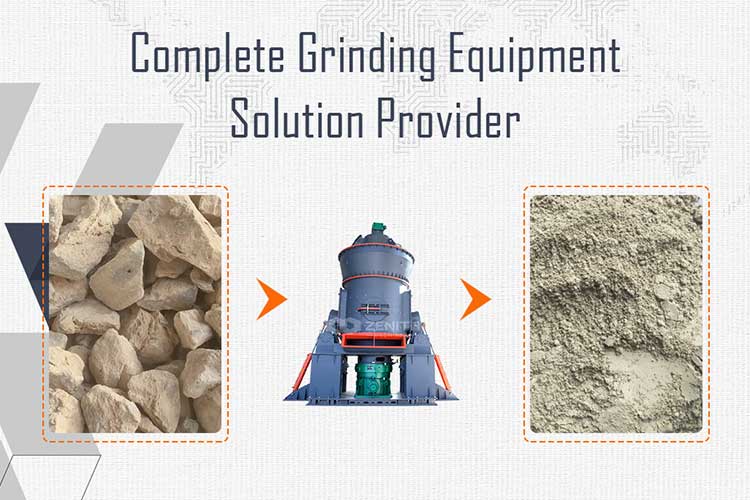
I. Top Recommendation: Vertical Grinding Mill
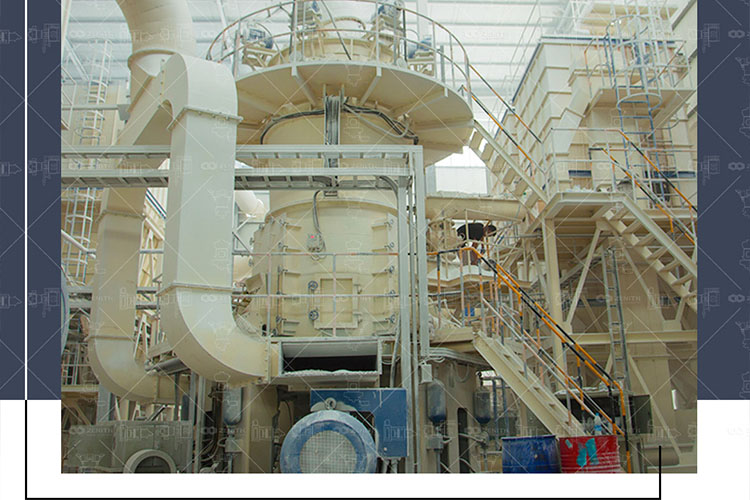
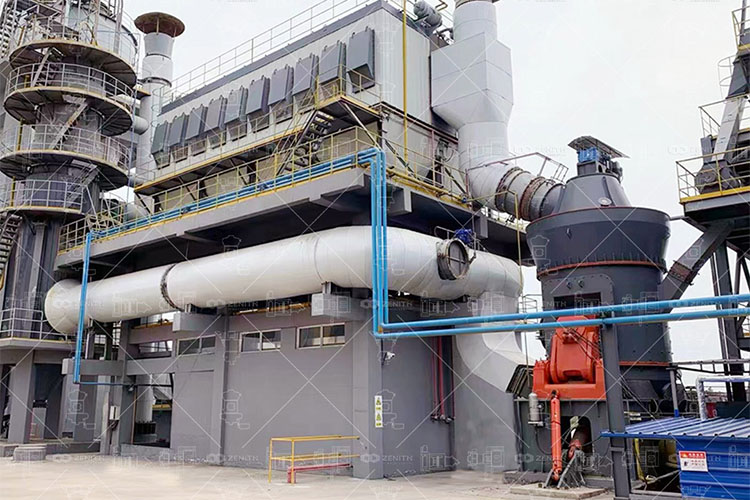
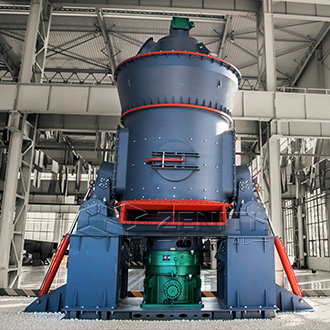
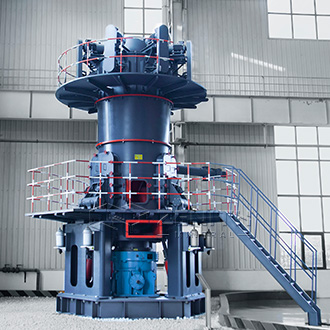
For large-scale production of refractory materials and ceramic powders in the 80-400 mesh range, vertical grinding mills (e.g., HLM, LM series) offer the optimal overall solution.
Core Advantages:
1. Exceptional Wear Resistance: Grinding rollers and discs utilize specialized wear-resistant materials like high-chromium alloys or ceramic composites, delivering significantly longer service life than conventional equipment and effectively withstanding bauxite's high abrasion.
2. Energy Efficiency: Utilizing the fluidized bed grinding principle, energy consumption is 20%-35% lower than traditional ball mills. It integrates crushing, grinding, drying, and classification into a single compact system with high single-unit capacity.
3. Stable Operation: Minimal vibration during grinding ensures consistent and controllable product quality (particle size distribution, purity). High automation makes it ideal for continuous, large-scale production.
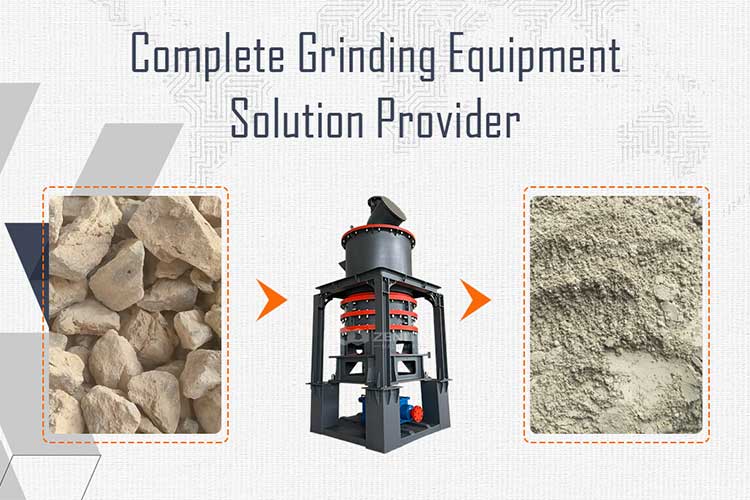
II. Ultrafine Powder Processing: Ring Roller Mill
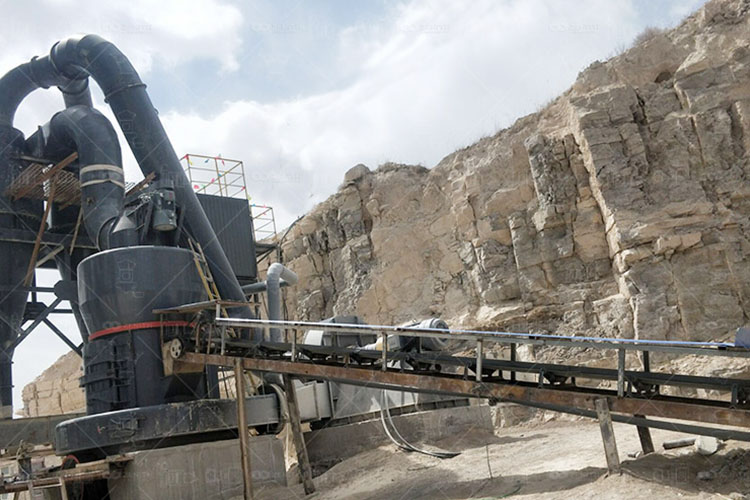
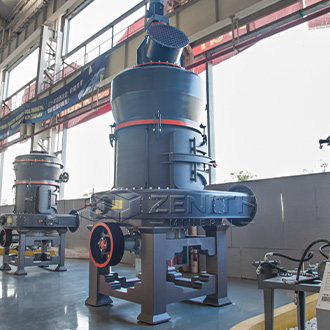
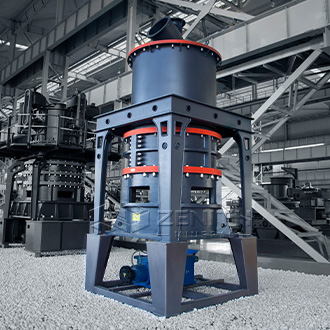
For producing ultra-fine high-alumina micropowder exceeding 600 mesh (used in advanced ceramics, polishing, etc.), higher precision equipment is required. Utilizing multi-layer grinding rings and rollers in conjunction with high-precision classifiers, it reliably produces 600-2500 mesh ultrafine powder. With lower investment and energy consumption than air mills, it is the preferred choice for dry ultrafine powder processing.
leave your message here, we'll send you
an Email immediately.