Staff Service — Time-saving · Accurate · Efficient
Time-limited Offer, Timely Technical Support
Get Price Staff Service
This project demands high standards for both equipment selection and process requirements. Processing 1200 mesh (D97 approximately 15 microns) falls within the fine powder category, while a production capacity of 20 tons per hour represents a medium-to-large scale operation. Although bentonite exhibits low hardness (Mohs hardness 1-2), its strong hygroscopicity and inherent viscosity pose significant challenges for both grinding and collection.
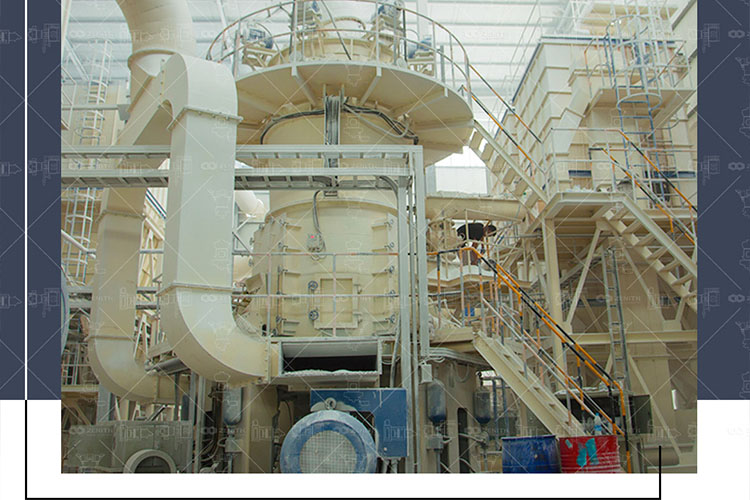
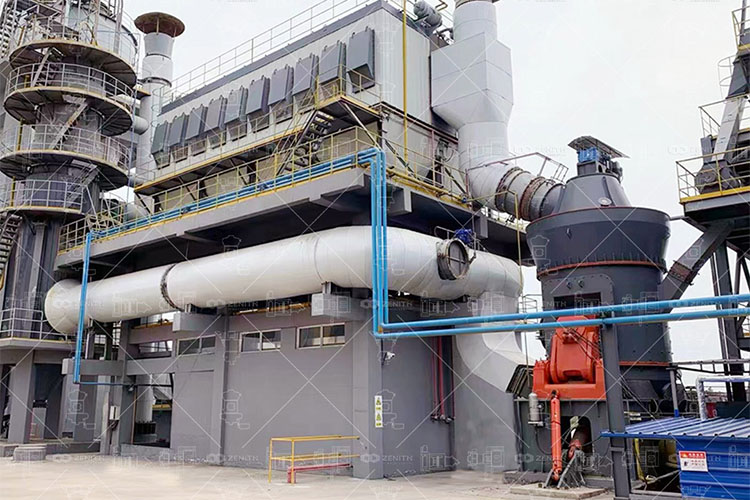
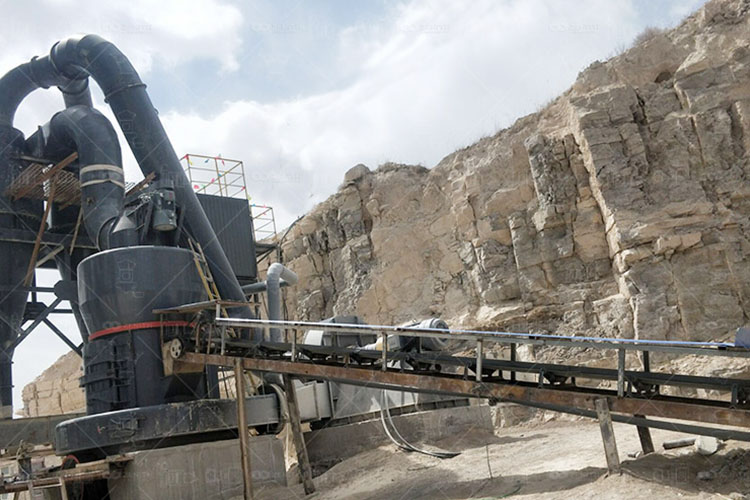
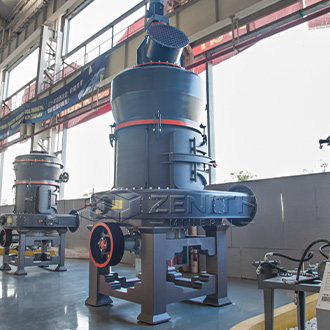
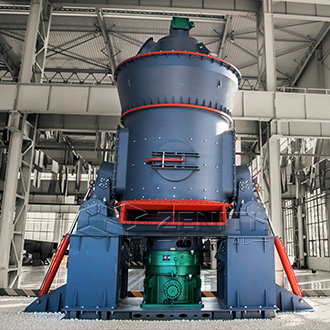
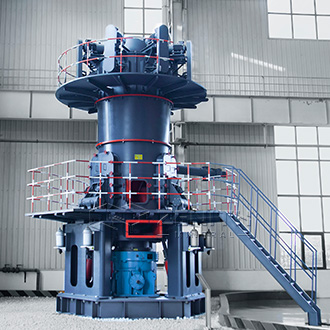
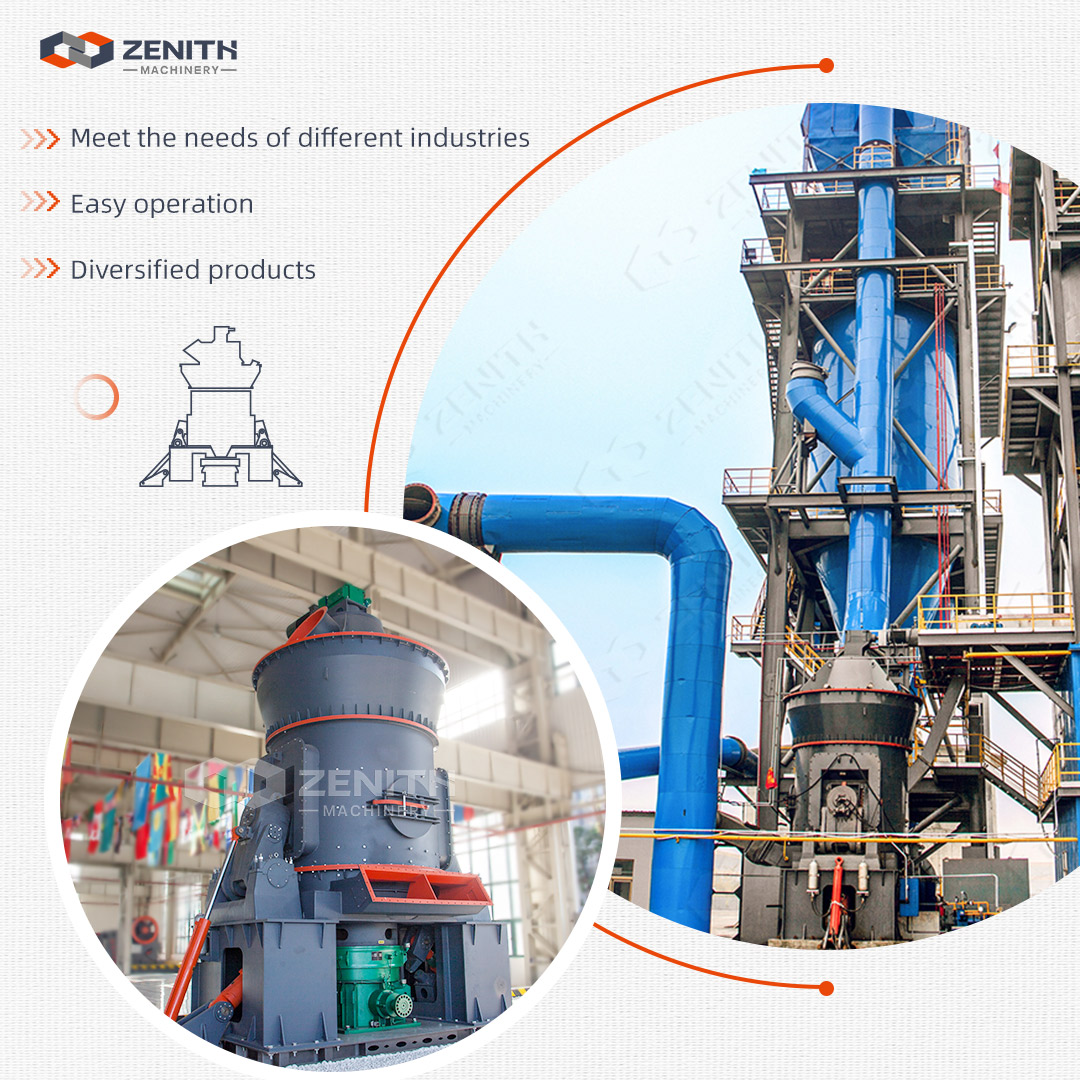
The vertical mill is the optimal and mainstream choice for achieving the 20 tons/hour, 1200 mesh target. Compared to traditional Raymond mills, vertical mills offer higher efficiency and lower energy consumption when processing fine powders.
Core Advantages:
High Output & Fineness: Specifically designed for large-scale fine powder production, fully meeting your requirements.
Integrated Drying: Features a built-in hot air system capable of simultaneously processing high-moisture bentonite (typically 10%-15% raw material moisture), eliminating the need for separate dryers, simplifying processes, and reducing investment.
Low Energy Consumption: Advanced grinding principles result in approximately 20%-30% lower power consumption compared to Raymond mill systems.
Stable Operation: Minimal vibration and low noise levels ensure suitability for continuous, large-scale production.
Why Not Choose a Raymond Mill?
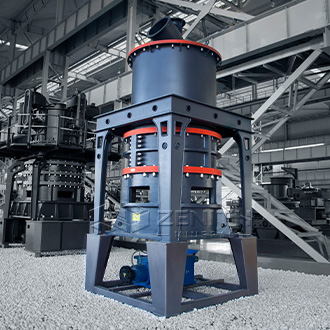
Traditional Raymond mills experience steep output declines when processing powders finer than 800 mesh, often leading to over-grinding and material blockages. Achieving 20 tons/hour of 1200 mesh output requires multiple large Raymond mills in parallel, resulting in higher overall energy consumption and space requirements.
Why not choose a ball mill?
While ball mills can achieve the required fineness, they consume extremely high energy, generate significant noise, and may produce products with elevated iron content. This can compromise bentonite quality, particularly when used in fine chemical applications.
leave your message here, we'll send you
an Email immediately.