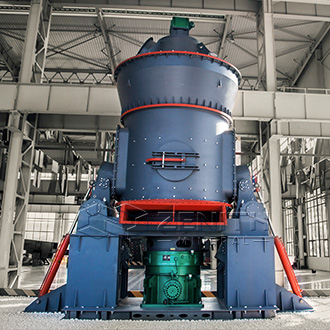
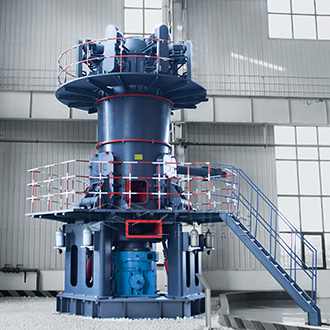
Ball Mills are mainly used in metallurgy, chemical industry, electric power, cement and other industrial and mining business to make all kinds of ores and other grindable materials by virtue of such characteristics as strong adaptability to raw materials, excellence in continuous production, high crushing ratio and easy to adjust the fineness of the finished product. An open or closed system can be set as required according to the production model,the dry and wet process production can be adopted or the grinding and drying operations can be completed at the same time.

Water Treatment

Chemicals

Paint

Wall Putty

Agriculture

The grinding ratio of ball mill can reach more than 300, and it is easy to adjust the fineness of the final products.

Commonly large feed size, improper media load, uneven feeding or liner wear. Control feed, optimize media and stabilize feeding to improve.
Mainly liners, steel balls (media), discharge grate and drive gear, replaced by wear condition; cost is manageable and bulk purchases are cheaper.
The horizontal rotary structure, with drive and classification systems, takes large space and needs ample installation room with fairly strict foundation requirements.
Check lubrication and media, start empty or low-load, and feed gradually, avoiding heavy-load startup and sudden large feed impacting the drive.
Focus on bearing temperature and lubrication, liner wear, media loss, feeding uniformity, discharge fineness and any abnormal sound.
Yes. A ball mill grinds cement clinker, slag and many materials, common in cement and building materials, with dry grinding or combined drying.
If you would like to receive personalized solutions and a free quote, kindly provide your information below.